Poker Bluffing Guide For Better Card Control
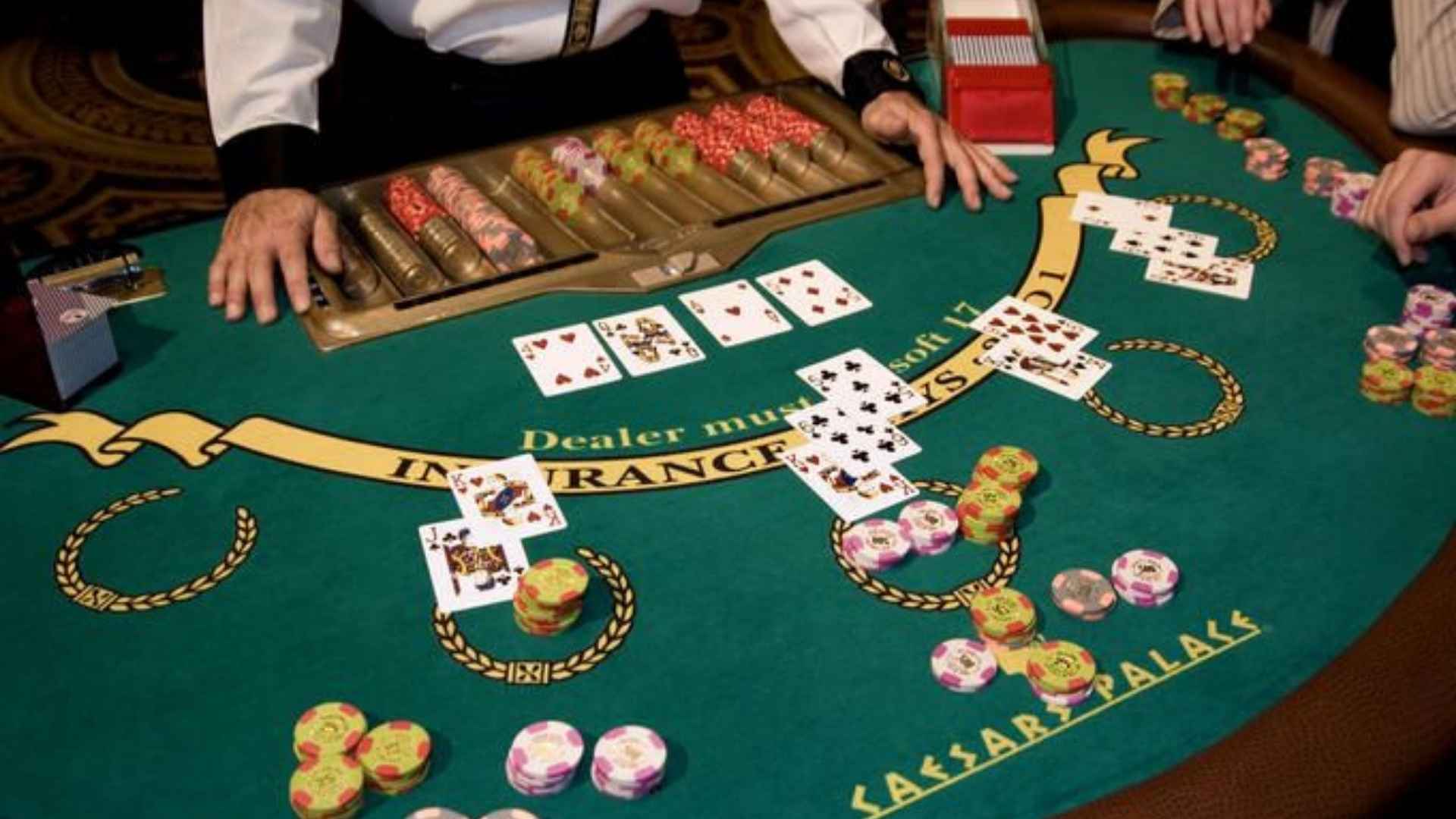
Maintaining complete authority over the flow of a card game requires more than just receiving favorable distributions from the dealer. Modern players must develop a sophisticated understanding of situational awareness to manipulate how opponents perceive their strategy. By integrating calculated deceptions into your standard routine, you can dictate table dynamics and secure a long-term competitive edge.
The Philosophy of Range Representation
To establish absolute control over your cards, you must treat every action as part of a continuous and believable narrative. Observation skills allow analytical strategists to evaluate how their betting patterns reflect specific hand strengths over time. When your community representations align perfectly with previous actions, opponents are much more likely to make critical mathematical errors.
Failing to plan your narrative across multiple betting streets often results in sudden and costly adjustments during intense showdowns. Experienced competitors always analyze their table image before deciding to represent a card combination they do not actually hold. Maintaining structural consistency ensures that your aggressive plays yield predictable folds rather than unexpected challenges.
Analyzing Behavioral Tendencies
Understanding the unique personalities of the people sitting across from you provides essential insights for executing successful tactical plays. Some participants fold easily under heavy pressure, while others prefer to challenge aggressive movements regardless of their own vulnerabilities. Identifying these individual profiles helps you choose the most profitable scenarios for strategic manipulation.
For instance, players can practice recognizing these behavioral shifts by exploring diverse digital platforms like M88 slot to observe how various betting intervals influence player decisions. Tracking how observant opponents react to sudden changes in pot sizes can dramatically improve your critical thinking. Adapting your style dynamically based on structural tendencies remains a core pillar of professional play.
Balancing Financial Risk and Equity
Every creative move at the table carries an inherent level of risk that must be carefully measured against potential chip gains. Reckless aggression without a clear tactical objective frequently leads to a rapid depletion of your stack. Analytical strategists always ensure that the total size of the pot justifies the specific situational danger involved.
Incorporating deliberate semi-bluffs provides an excellent safety net by offering multiple paths to victory during complex matchups. This advanced method allows you to win immediately by forcing folds or later by hitting your active draws. Finding this balance separates seasoned tactical experts from typical casual amateur players who rely purely on luck.
Advanced Timing and Position Play
Your physical or virtual seat relative to the dealer button completely dictates the flow of information you receive during a round. Acting last grants an immense structural advantage because it allows you to see how everyone else behaves before you commit chips. Utilizing this spatial clarity ensures that your deceptive plays are executed with maximum precision and minimum exposure.
Varying your execution tempo can also leave your table rivals completely confused about the true strength of your holdings. Consistent practice transforms these structured frameworks into second-nature habits that protect your chips in any setting. Mastering these distinct positional dynamics ultimately secures a sustainable method for long-term table success.