Every Hand Is A New Psychological Challenge
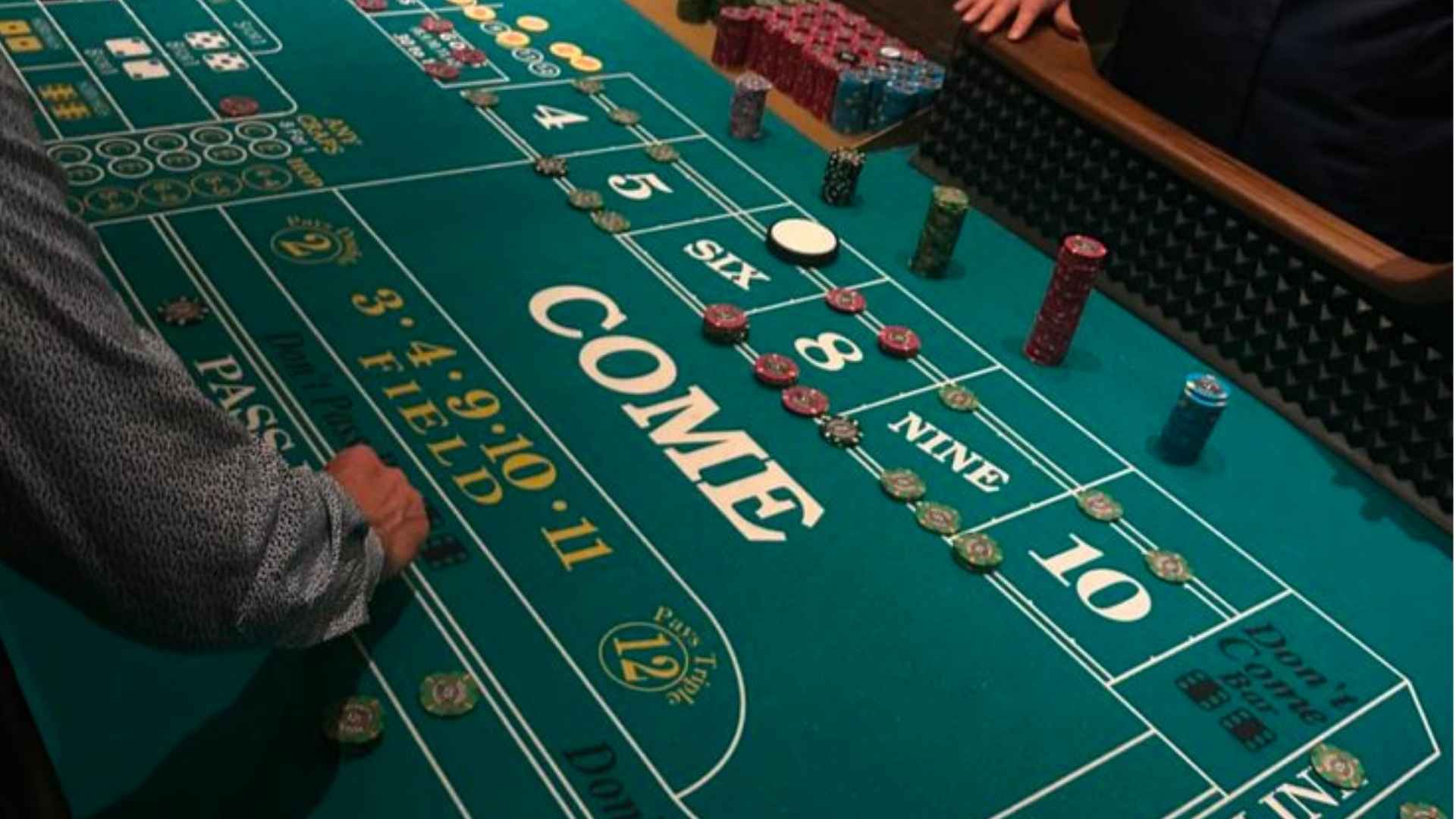
Mastering the mental aspects of competitive card games requires an incredible amount of emotional control and situational awareness. Every single round presents a fresh environment where players must adapt to shifting dynamics and hidden motives. Success at the table relies heavily on your capacity to treat each dealing as an independent mental puzzle rather than a continuation of previous wins or losses.
The Clean Slate Mindset
Approaching each deal without emotional baggage is one of the most critical habits a player can develop. Many competitors allow the frustration of a recent loss to cloud their judgment in subsequent rounds. By training your mind to reset completely, you ensure that your strategic choices are guided by objective logic instead of lingering irritation.
Maintaining absolute focus prevents your opponents from finding predictable patterns in your behavior. A disciplined competitor treats a new hand as a completely unique tactical scenario with its own set of variables. This mental separation helps isolate individual choices from the volatile swings of short-term variance.
Decoding Shifts in Table Dynamics
Observing the behavioral changes of your rivals is essential for executing advanced tactical moves effectively. Every time the cards are distributed, the psychological hierarchy at the table undergoes subtle adjustments. Recognizing these shifts allows you to adjust your aggression levels based on who is feeling confident or vulnerable.
For players looking to test their observation skills in a digital environment, exploring options like the M88 slot platform can offer a dynamic space for casual engagement. Paying attention to small details during active play helps you build a comprehensive profile of opponent tendencies. This continuous monitoring transforms passive observation into a powerful tool for strategic decision-making.
Managing Emotional Reactivity
Controlling your physiological responses during high-pressure situations separates seasoned experts from recreational enthusiasts. Sudden changes in breathing patterns or rapid physical movements can instantly reveal the true nature of your holdings. Developing a completely neutral table presence prevents observant rivals from gaining free information.
Consistency in your timing and physical execution builds a formidable barrier against counter-strategies. When your actions look identical whether you hold premium cards or a complete bluff, your opponents face immense pressure. This emotional discipline creates a strong psychological advantage that forces others into making critical mistakes.
Adapting to Unpredictable Scenarios
Flexibility is paramount when navigating complex card combinations and diverse opponent styles over extended sessions. A strategy that worked perfectly in one round might prove completely ineffective in the next due to changing variables. Successful individuals continuously refine their approach to match the exact conditions of the current moment.
Embracing the inherent uncertainty of the game allows you to remain composed when unexpected variables arise. Every hand presents a unique combination of position, stack depth, and player personalities to decode. Mastering this continuous cycle of adaptation ensures long-term viability and growth in any competitive arena.