Avoid Playing Without Table Awareness
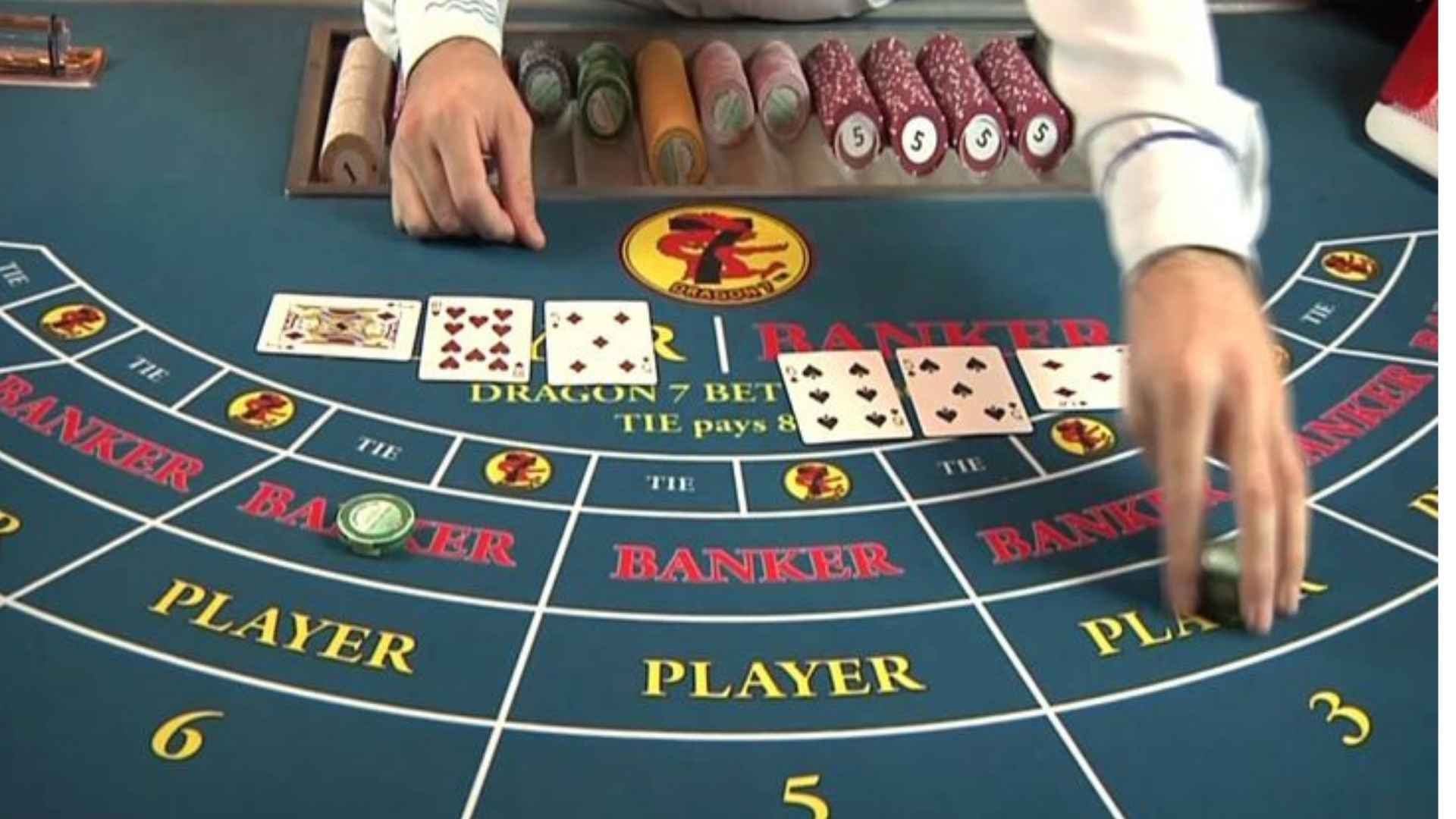
Success at the poker table requires much more than just understanding the strength of your own cards. True mastery involves constant vigilance and a deep appreciation for the unfolding dynamics among all participants. Ignoring the subtle behavioral cues and betting patterns of your opponents often leads to costly, preventable errors.
The Danger of Tunnel Vision
Many amateur players fall into the trap of focusing exclusively on their own hand strength. This narrow mindset prevents them from recognizing when an opponent has quietly constructed a superior combination. Developing broader observation skills allows you to anticipate aggressive moves before they decimate your stack.
Failing to monitor the changing mood and stack sizes at the table can severely limit your tactical options. Experienced competitors constantly adjust their ranges based on who is sitting to their left and right. Keeping your attention broad and flexible is essential for navigating highly unpredictable poker sessions.
Reading Opponent Tendencies
Every individual at the table exhibits unique playing styles that can be deciphered over time. Some players choose to play highly aggressive ranges, while others prefer a much tighter approach. Recognizing these distinct profiles helps you make highly informed decisions during critical betting rounds.
When you actively track how often your opponents fold or raise, you gain a massive psychological edge. Using a reliable platform like M88 slot can give you the perfect environment to practice reading game flows effectively. Applying these behavioral insights ensures that your tactical adjustments remain sharp and profitable.
Capitalizing on Positional Leverage
Table position dictates the flow of information and remains a foundational pillar of winning strategy. Acting last gives you the immense advantage of seeing how everyone else handles their cards first. Disregarding this positional leverage forces you to execute complex moves without sufficient contextual data.
Consistently playing pots out of position turns strategic poker into a game of pure guesswork. By shifting your primary aggression to late position, you can control the size of the pot with ease. This simple adjustment protects your bankroll from aggressive players looking to exploit positional weaknesses.
Managing Stack Dynamics
The number of chips you and your opponents possess should heavily influence your overall strategy. Deep stacks allow for creative, multi-street maneuvering, whereas short stacks require strict, simplified decision-making. Failing to adjust your bet sizing to account for stack depths often leads to sudden elimination.
Before launching a massive bluff, always calculate the remaining chips behind your target. An opponent with a small stack is frequently priced in to call your wager regardless of their card strength. Keeping a close eye on these chip counts ensures your aggressive moves hit their targets perfectly.